The Soot Canal
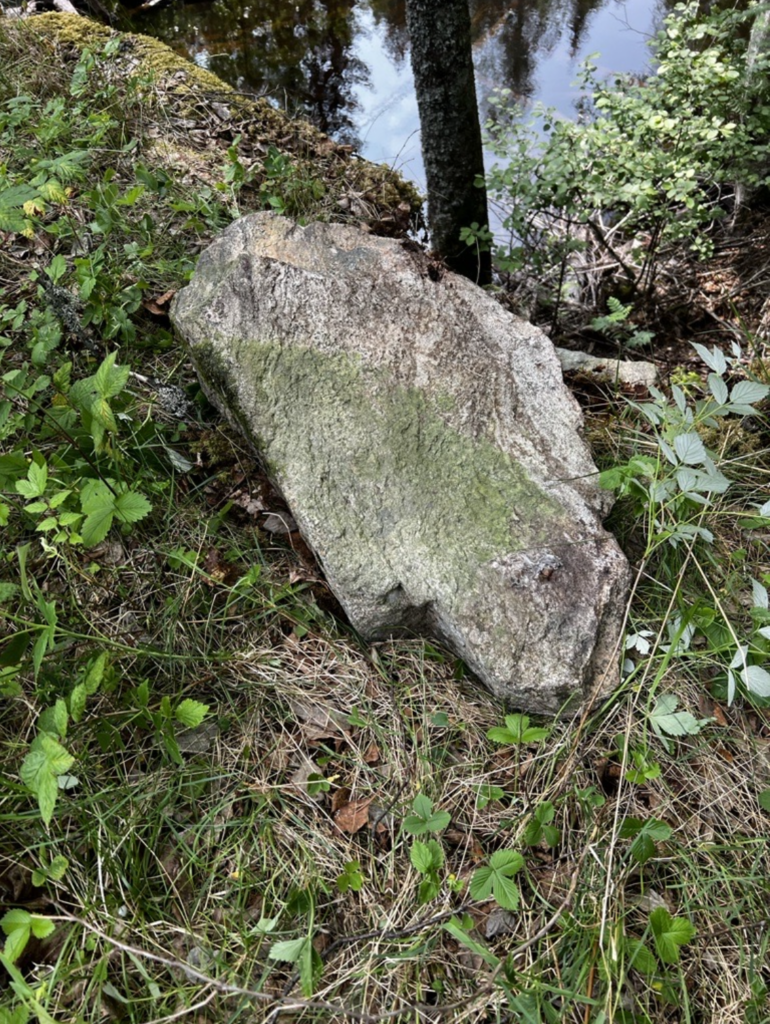
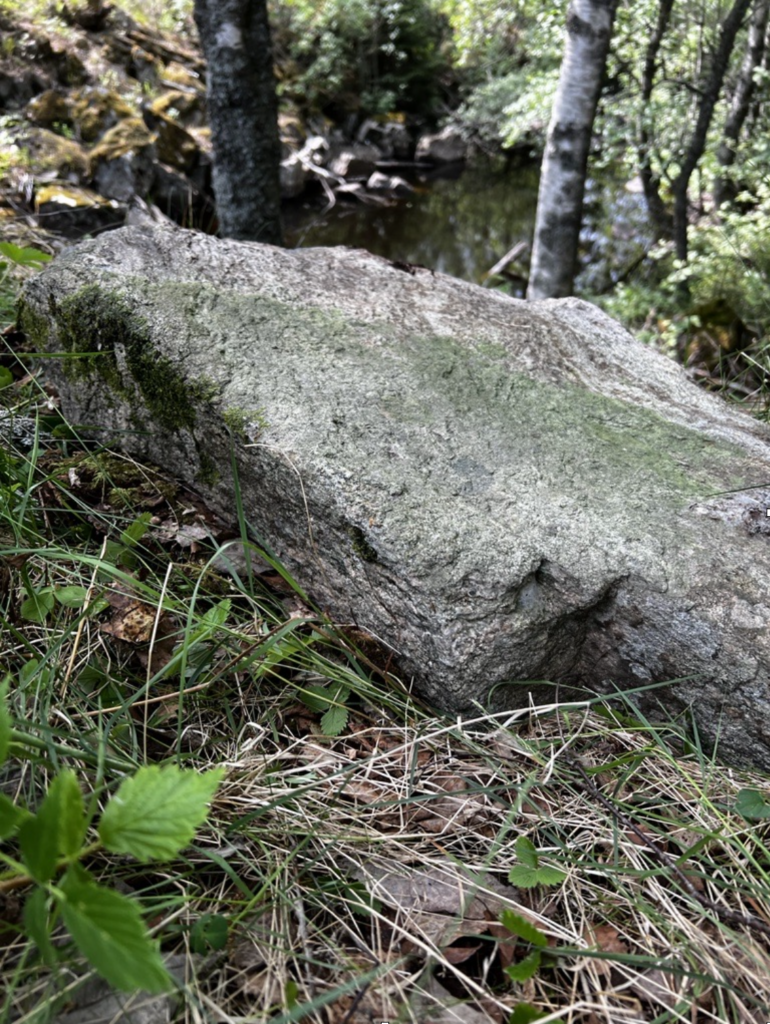
We are going to remove an old dam at the top of the Soot Canal and think that the stone here represents our municipality well. The Soot Canal is a cultural monument that runs along the Swedish border and represents the municipality’s history of rafting and thus an important element for the basis of settlement in our region east of Oslo. Timber production and the rafting industry were important contributors to the formation of the Norwegian national identity and the fight for independence in both 1814 and 1905.
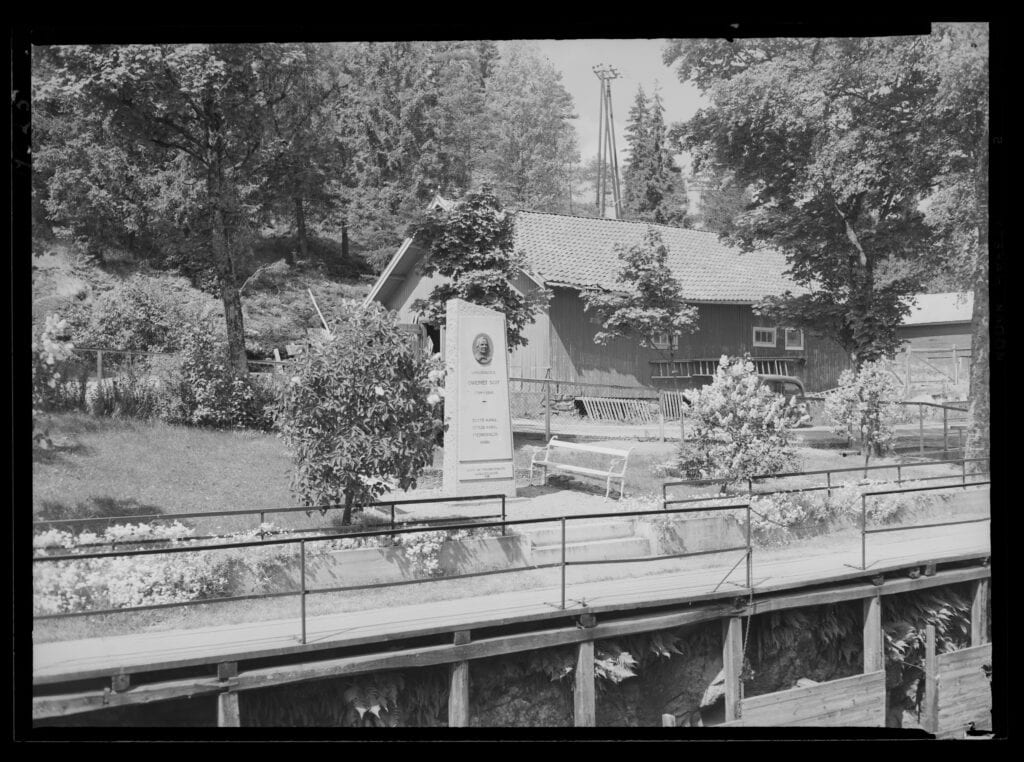
On 20 July 1849, “Soot Canal”, Norway’s first lock canal, opened. The canal was built by 600 men and was used to float timber upstream from Mangenvassdraget to Haldenvassdraget. From the Soot Canal, the timber was transported further by a combination of timber flumes and horse-drawn railway (Grasmobanen) until the timber reached the lake Setten in Setskog in Aurskog-Høland.
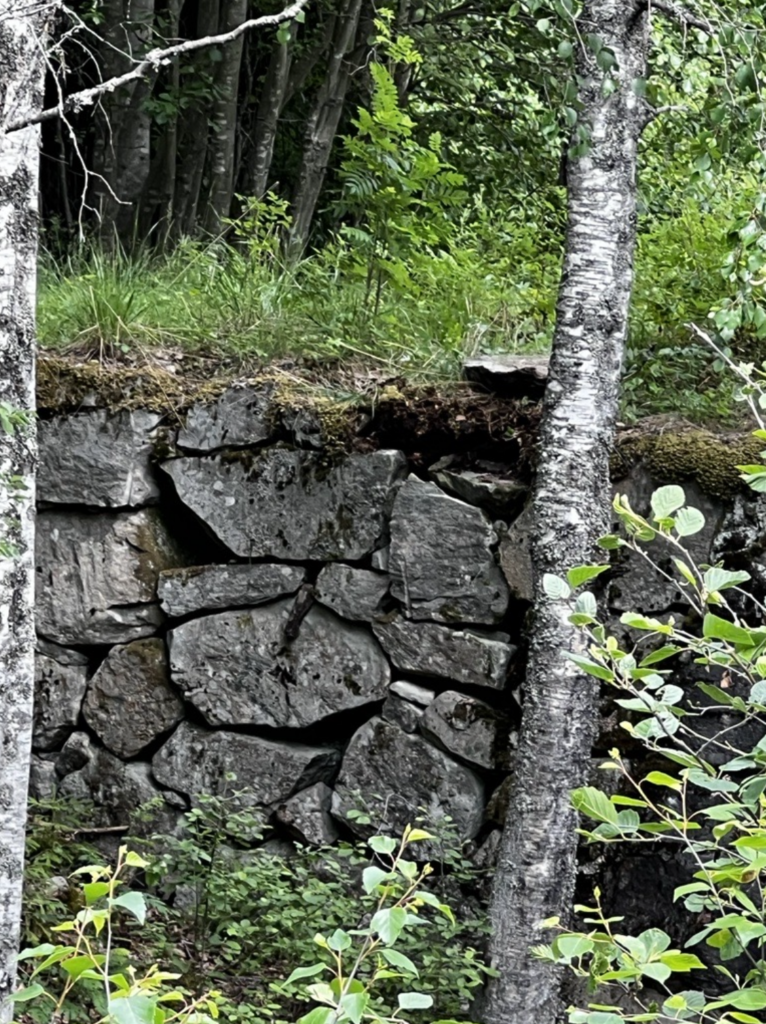
The locks are built of stone blocks from the riverbed and were sealed with rose turf. The inside was covered with boards. None of the lock chambers are the same, but all have the same volume. The canal was in operation until 1932. The peak year was 1920, when 222,768 logs passed through the facility.
Sootkanalen – Store norske leksikon (snl.no)
Protection: The Directorate for Cultural Heritage