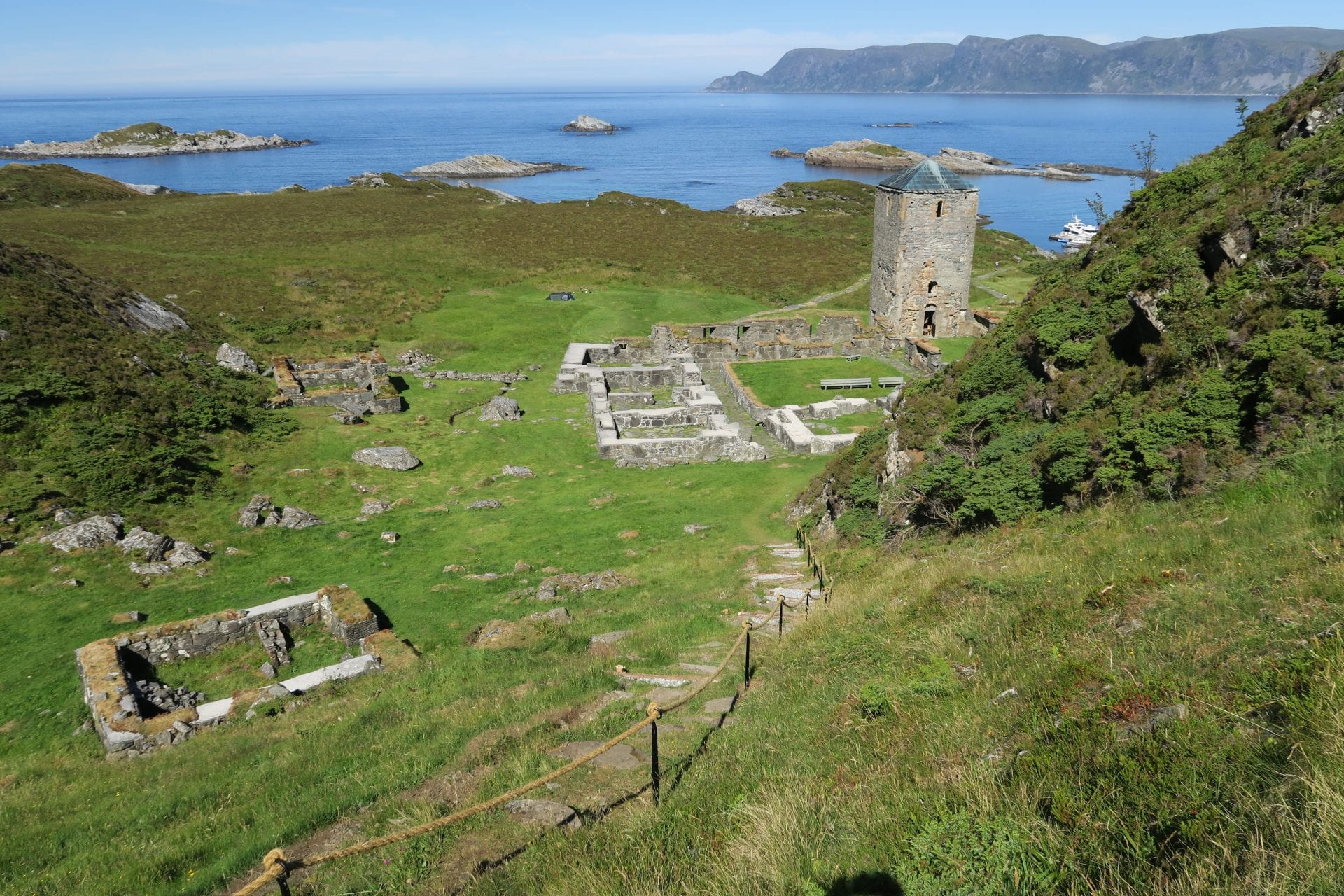
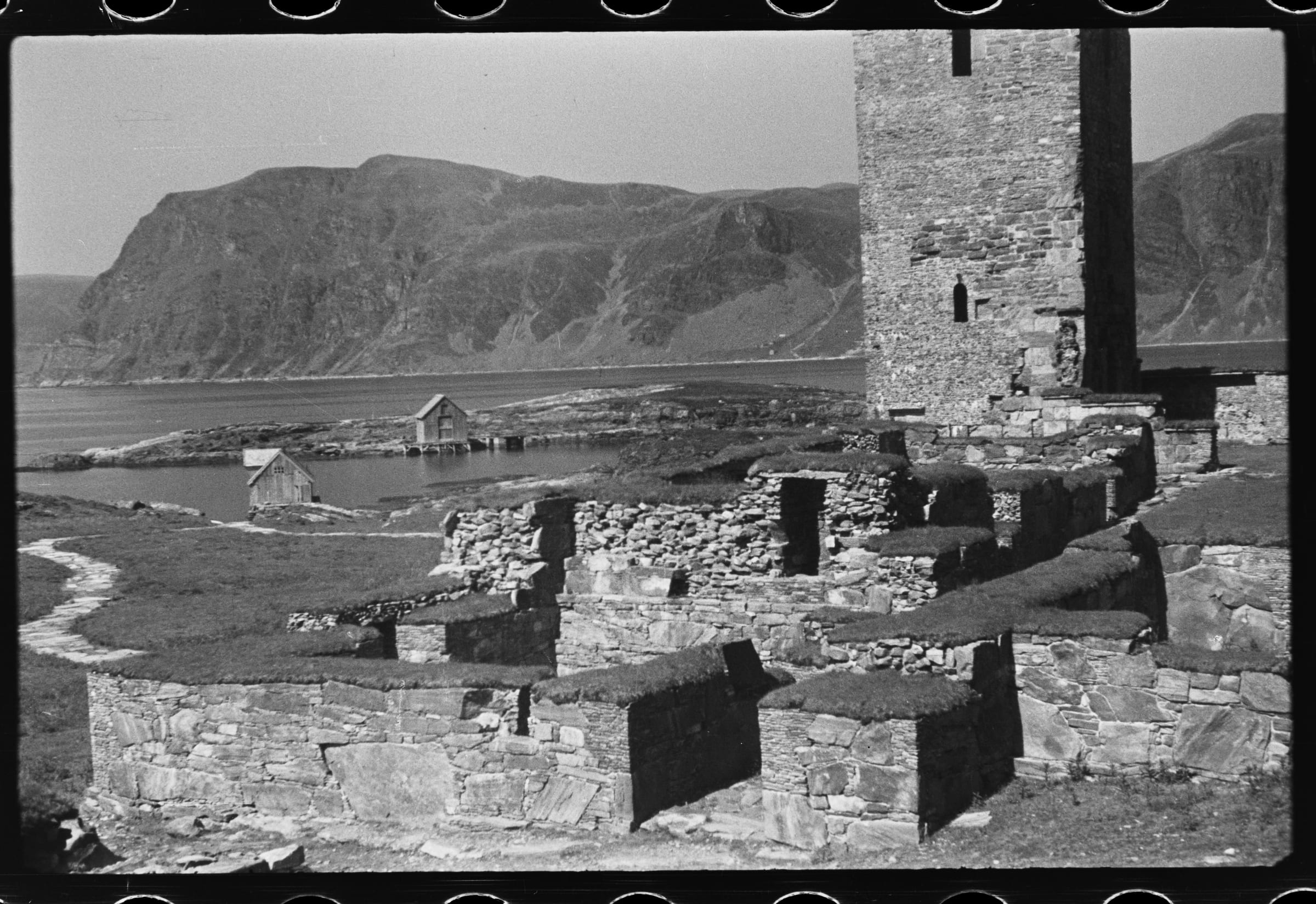
Selja Monastery
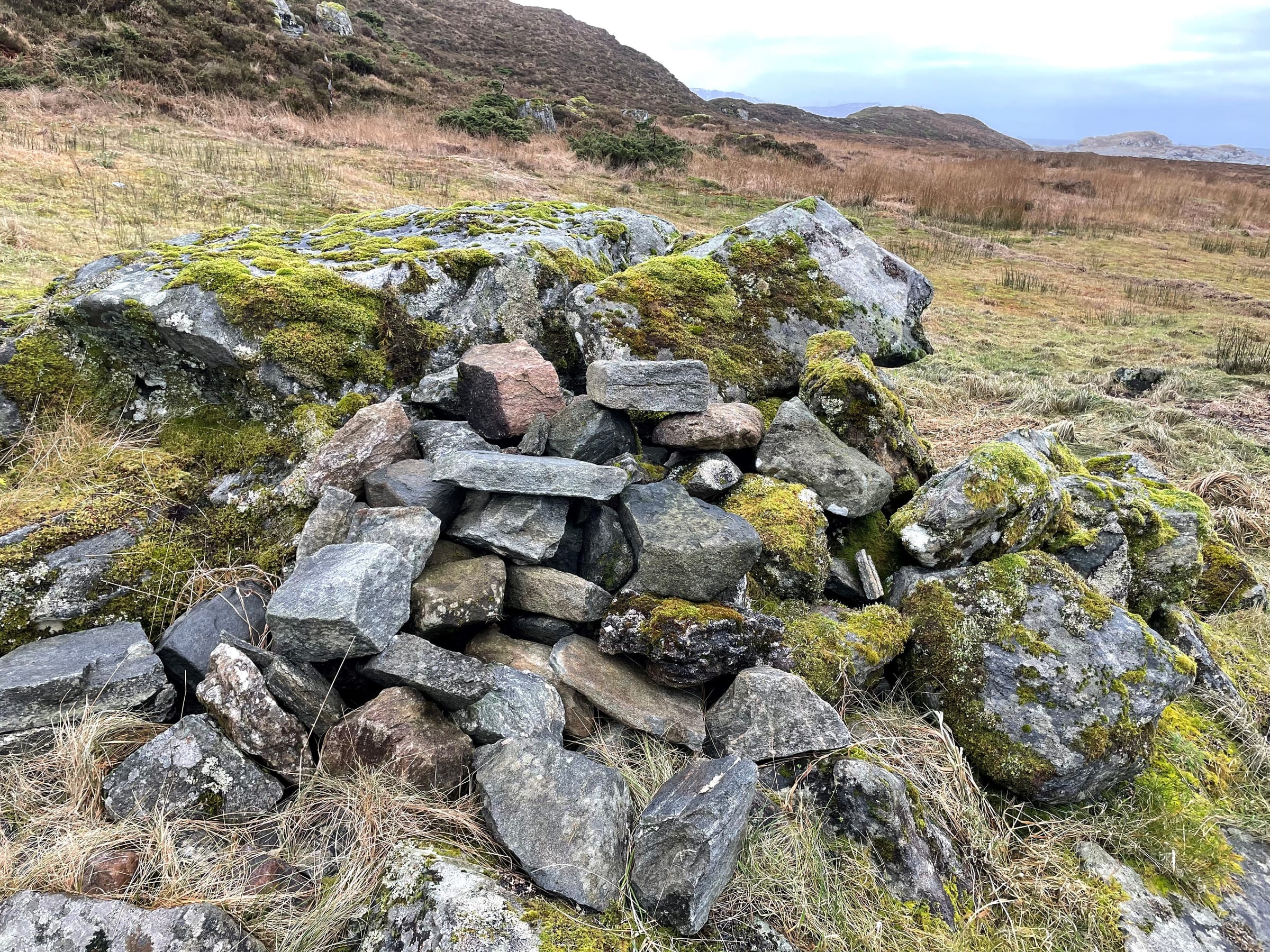
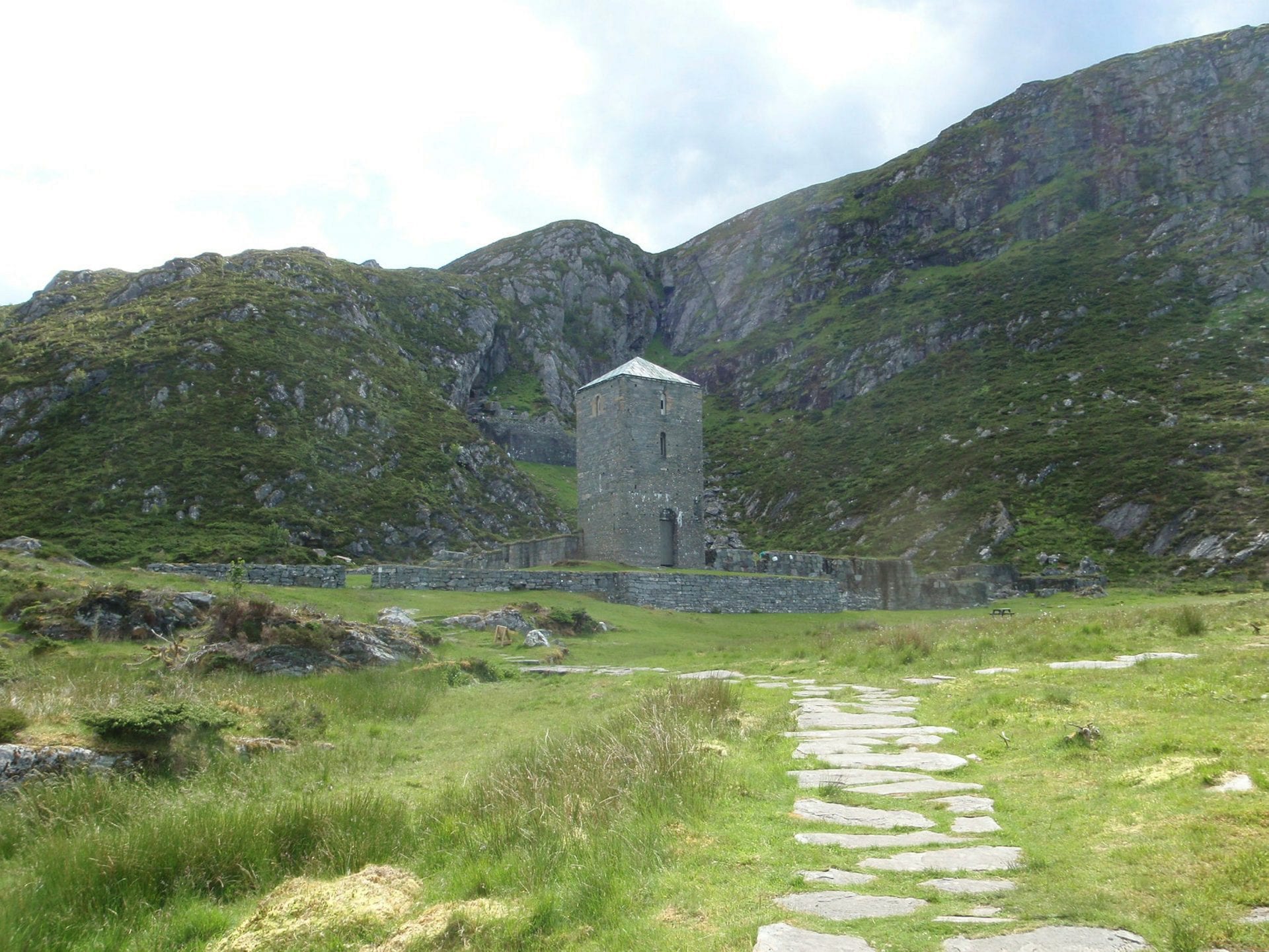
The monastery island of Selja was important for the establishment of the Norwegian church. It was here that monasteries and churches were established early, as well as the first Norwegian saint, St. Sunniva.
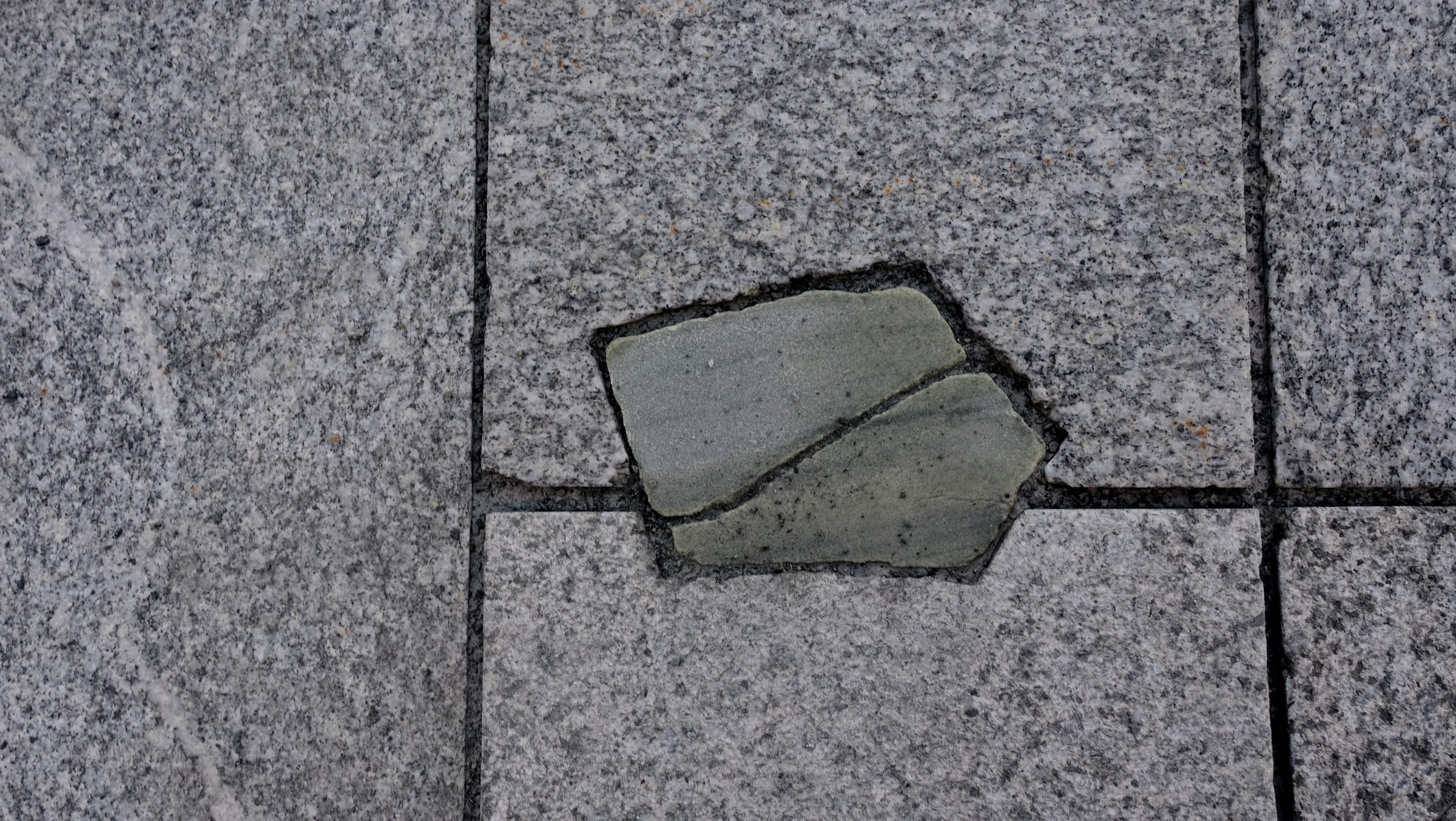
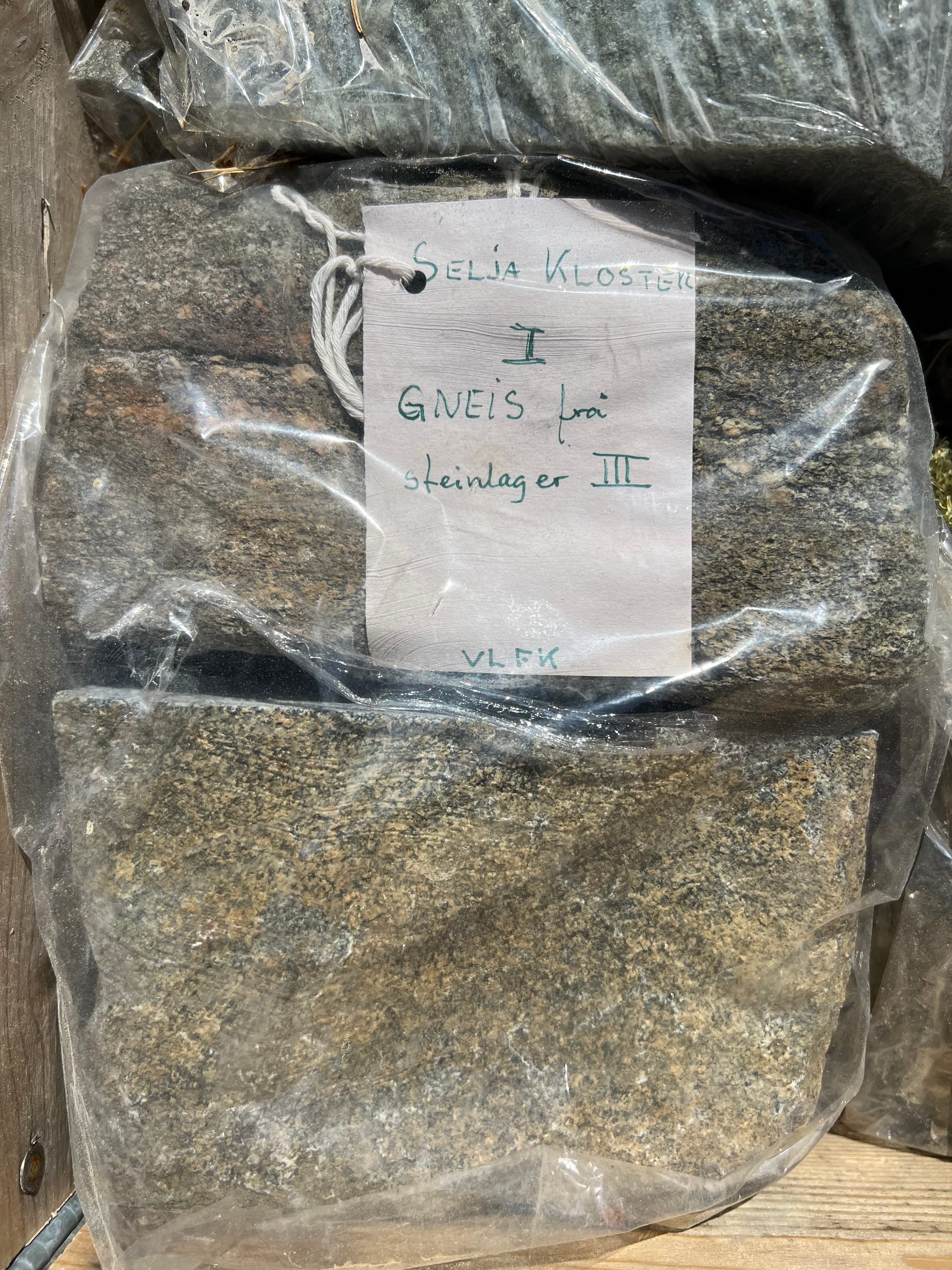
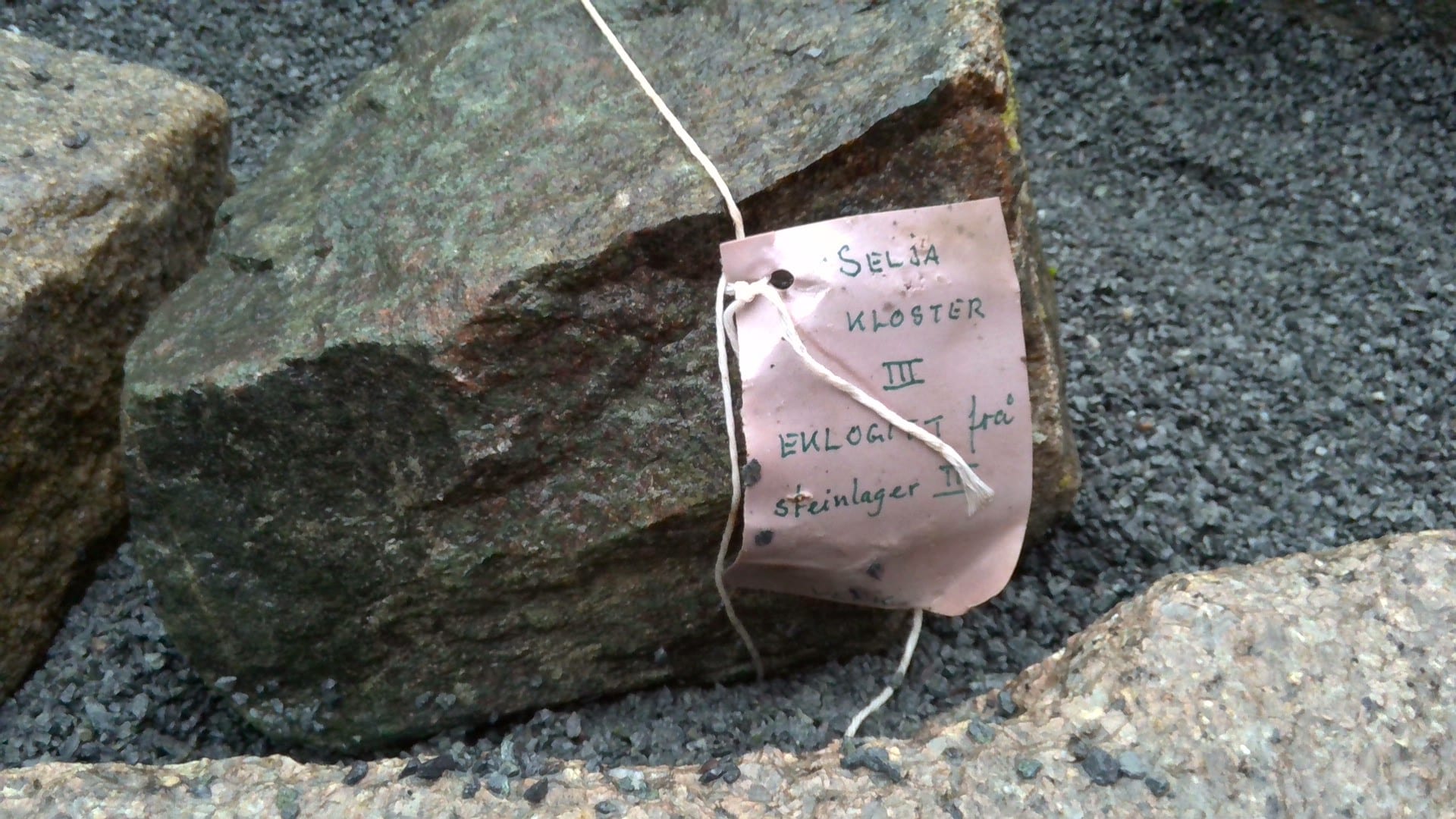
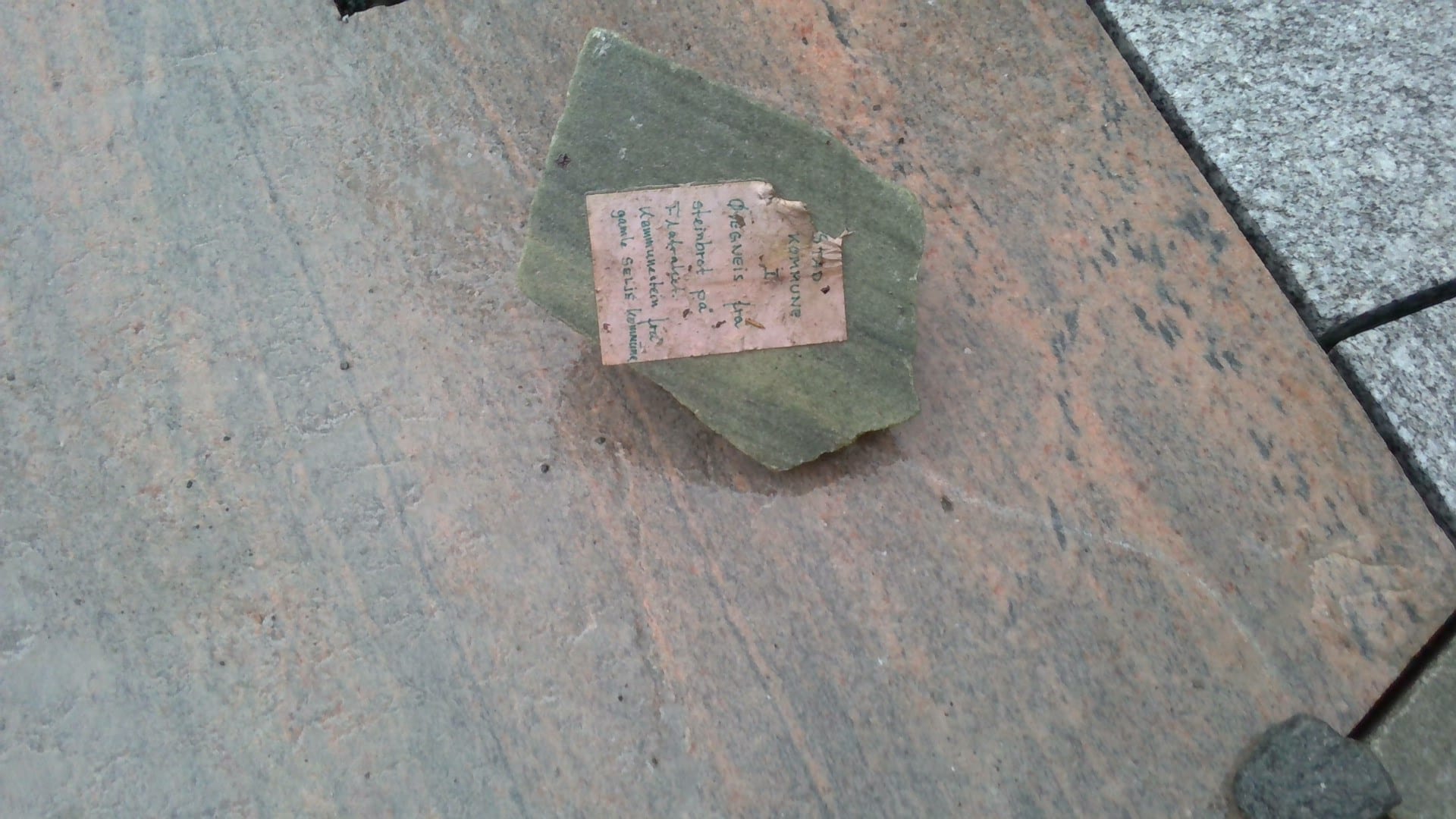
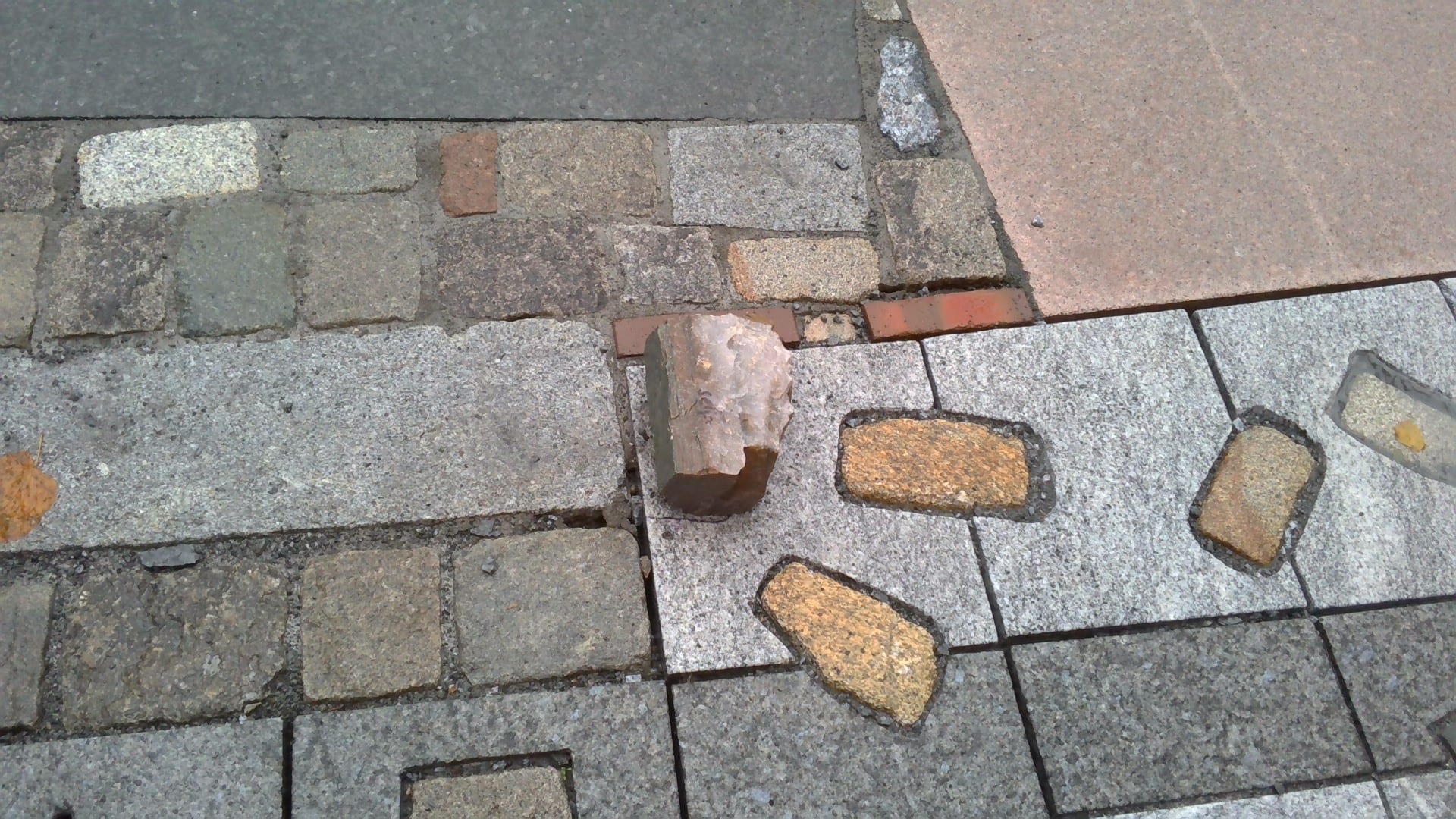
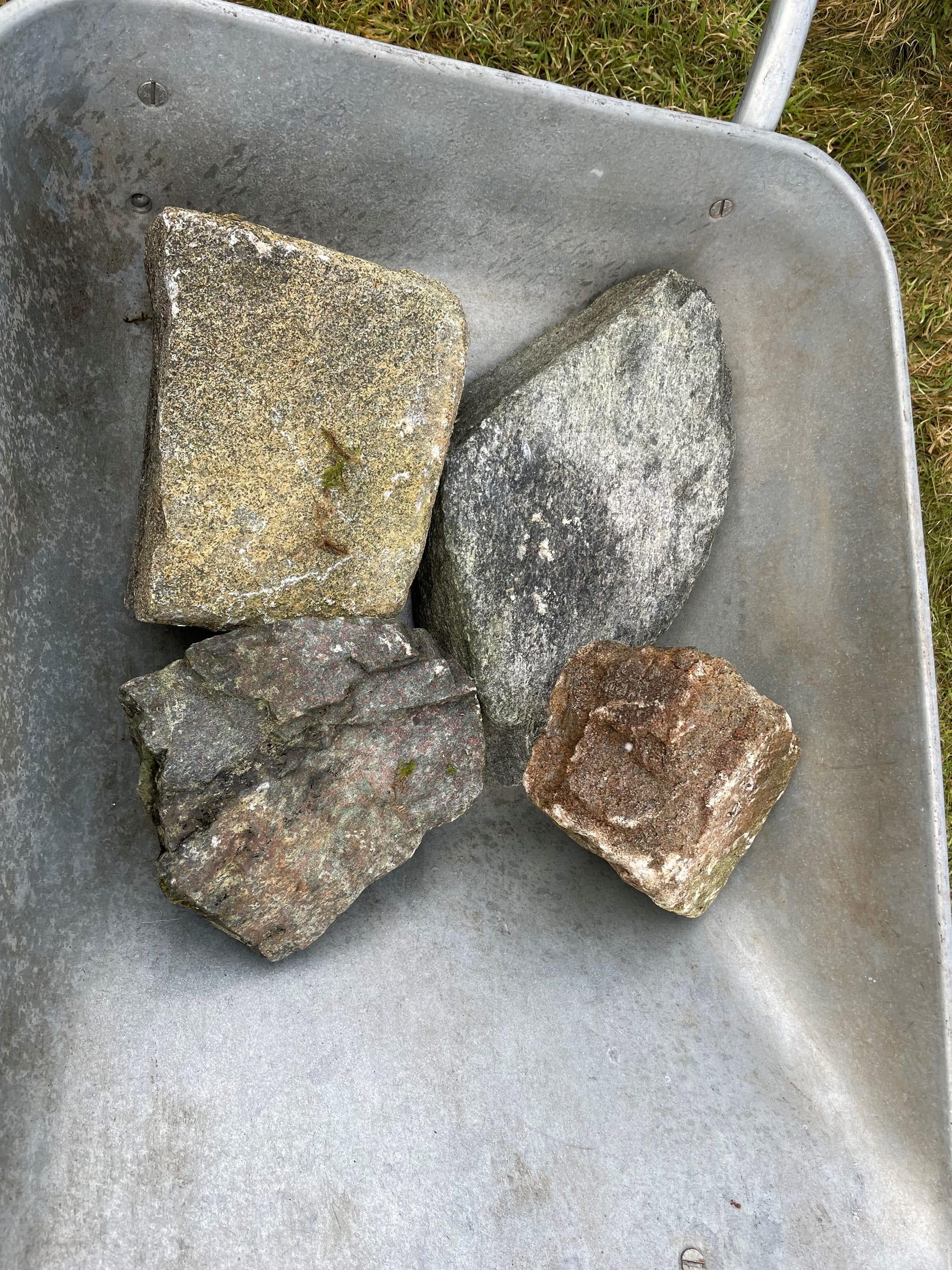
The choice of four stones is also linked to the story of God’s four daughters: Truth, Peace, Justice and Mercy. This story was included in Magnus Lagabøte’s Landslov in 1274, and since we are celebrating the Landslov anniversary this year (2024), it is fitting to include such a reference. The stones were taken from a landfill in Selja and will become part of the artwork in the government quarter: two pieces of gneiss, one rectangular and one flat. These are representative of the part of the monastery complex that is not built of olivine. One piece of eclogite, which is found as loose stone in the area, and one piece of olivine stone without decorations. The stone was assessed by a geologist to be hard enough to be placed in a trafficked floor/public outdoor area, preferably in an area that does not have much traffic.
Selja Monastery
Gods four daughters – Vestland Fylkeskommune
Selja Monastery – Store norske leksikon
Protection: The Directorate for Cultural Heritage
The stone extraction has been approved by both the county council, the University of Bergen and the Norwegian Institute for Cultural Heritage Research (NIKU), as the monastery complex is automatically listed (the Directorate for Cultural Heritage).